A house taken from full to completely empty, one simple step at a time.
This page shows you how, with one sample house, from the first photograph to the last empty room. Scroll, and watch it empty.
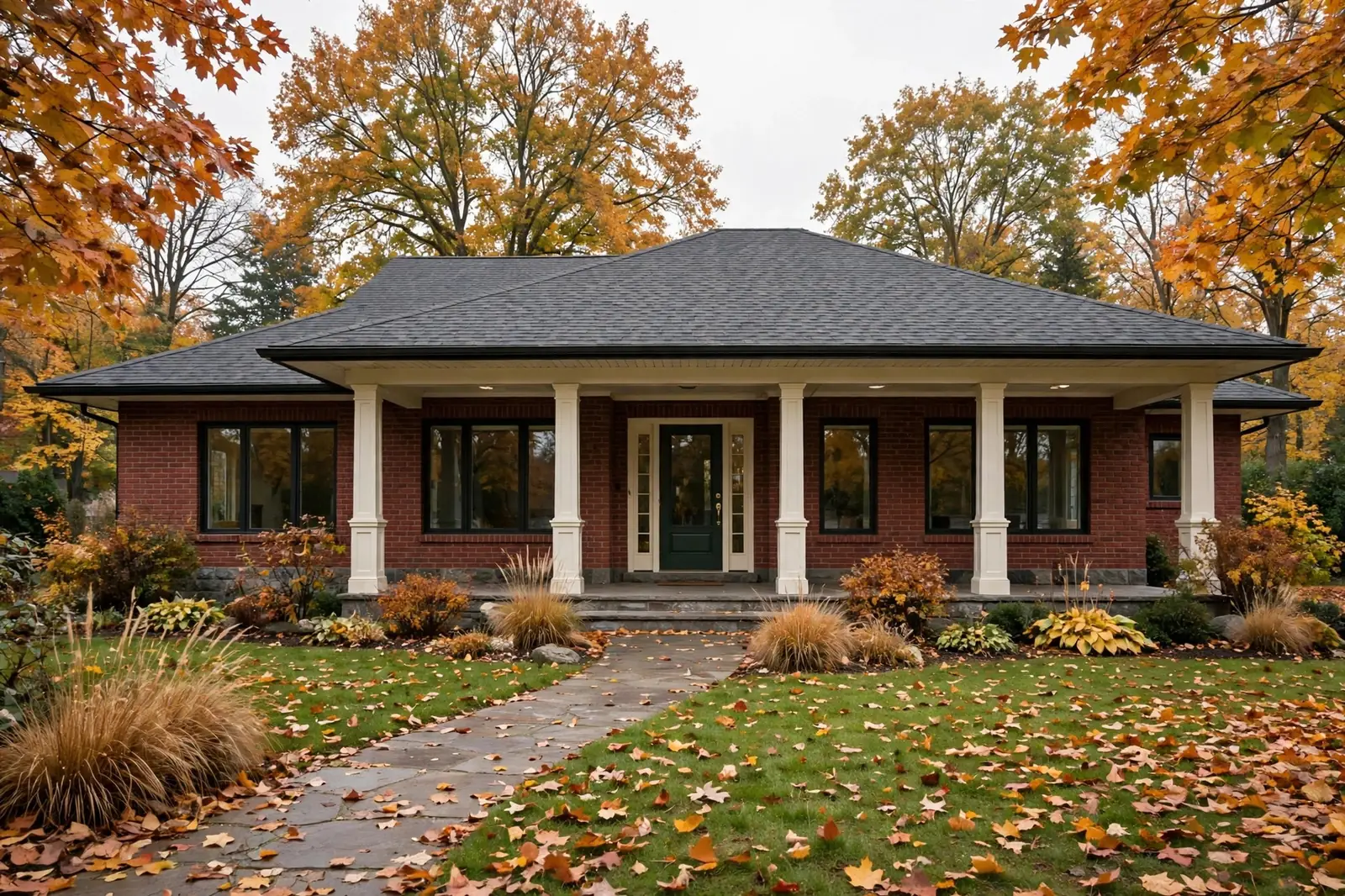
The situation will be familiar. The house has to be cleared, the family is spread out, and nobody wants the clearing of it to become the thing that breaks them. One person organizes. Everyone else takes part from wherever they are.
Here is the whole job, one step at a time.
Photograph the rooms. Settled lists what it sees.
The organizer walks through with a phone, room by room. Settled picks out the things in each photograph, so you are checking a list rather than typing one, and it flags anything that may be worth a professional valuation. Try the rooms of Elmwood Avenue:
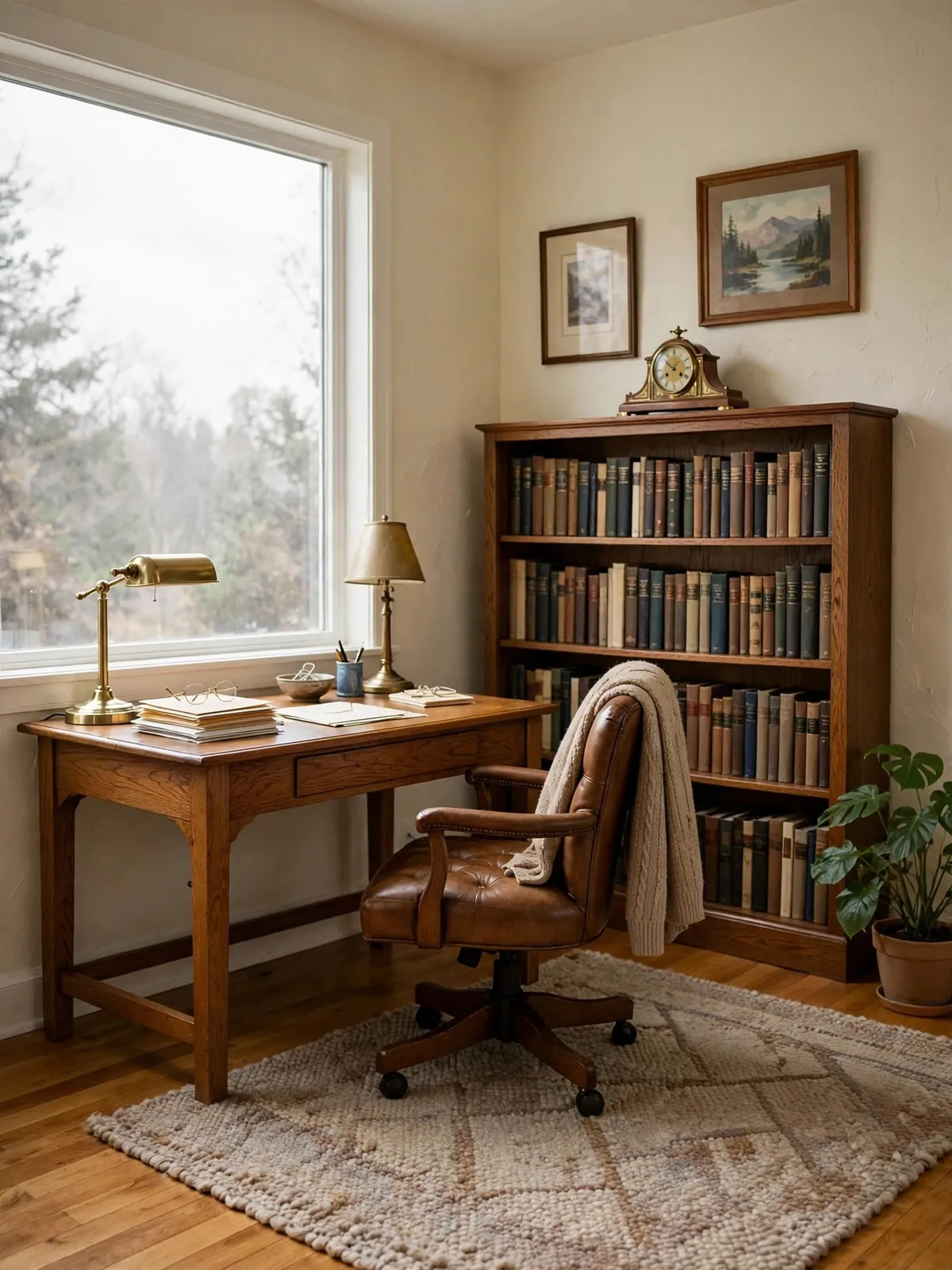
Settled listed, from this photograph
- Oak writing desk
- Leather desk chair
- Hardback books, four shelves
- Mantel clock
Settled marks a thing as notable when it may be worth a professional valuation, and it is sparing about it: most household things are not. The tier is AI-generated. If you have a valuation, upload it and the items and values come across.
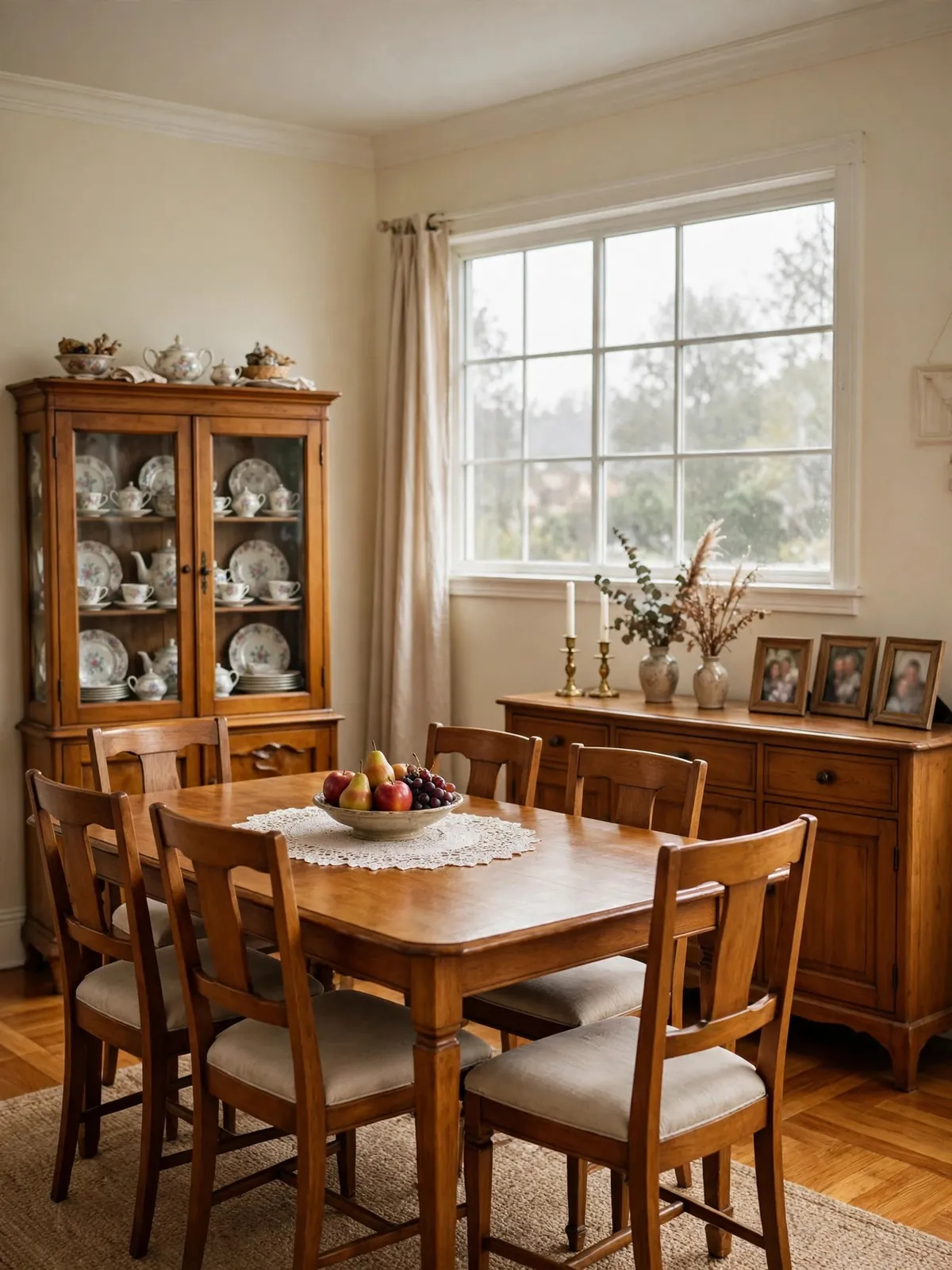
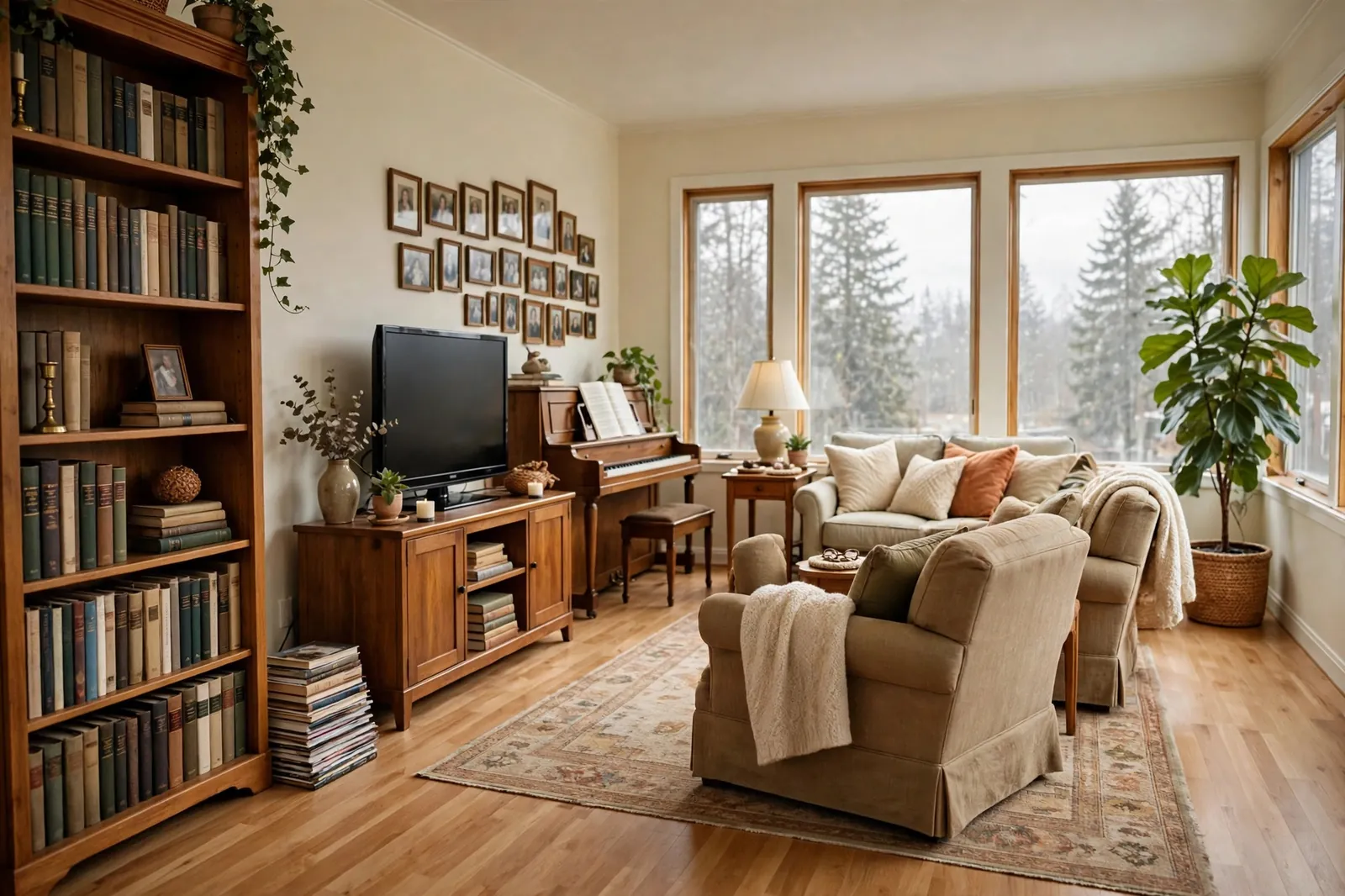
The spare room and the hall cupboard were photographed the same way. That is where the pine bookcase and the winter coats and linens came from. Six things, in the end, that the family had to decide about together. They are the six you will follow down this page.
Invite the family. Each person gets one link.
Every person receives an email with a link, whether they are two streets away or on another continent. No account, no app to download, no cost to them. They can join tonight or next week.
Organizing. She photographed the house and sent the invitations.
Received his link by email. Opens it on his phone.
Received her link by email. Opens it on her phone.
Received his link by email. Opens it on his phone.
If someone would rather not take part, they can say so from their link. The organizer can see who has finished, and can close the round when it is time.
Everyone chooses, in private.
For each item: keep, sell, donate or pass. Nobody sees anyone else's choices, and nobody has to say in front of the others what they want. This is what it looks like. Try it as Anna:
Your choice is private. Only you can see it.
Points settle what is contested.
When more than one person asks to keep the same thing, each of them has 100 points to spread across the things they are contesting. The higher bid keeps it. It is blind: nobody bids against a sibling, only for the things themselves. At Elmwood Avenue four things were contested. Place your points, then run the reveal:
Most people put the most points on the one or two things that matter most to them, and a few on the rest. You do not have to use them all.
How it went at Elmwood Avenue
Two people asked for the oak writing desk: Claire and Daniel. Claire had put 45 of her points on it. Daniel had put 30. Neither of them knew what the other had done, and neither had to argue for it.
The desk goes to Claire, by points. Daniel's points stay strong on everything else he asked for, and the tea service he wanted most is his. The organizer does not overrule a bid. The points decide, and the record shows it.
The reveal, and the record.
When everyone has finished, the organizer closes the round and everyone sees the outcome at the same moment. This is the record for Elmwood Avenue, exactly as each of the four received it. It is dated, printable, and the same copy goes to every person.
Every item, where it went, and why. Everyone receives the same copy at the same moment.
Three of the six things now have homes inside the family. Three are still to place: the piano, the bookcase, and the coats and linens. Nobody has to hold that list in their head. It is written down, and it is the next two steps' whole job.
New homes for the rest.
The reveal is not the end of the house. From the record, the things marked sell or donate go onto one public page with one link. Send it to the family group chat, a neighborhood email or a local group. People open it on their phone and ask for what they would like. You decide who gets each thing.
Things looking for a new home: 42 Elmwood Avenue
And this is the list that comes out of the record, the whole of what is left to arrange, on one page:
- To moveThe things Claire, Daniel, Anna and Ben kept, on their way to the people who asked for them.
- To sellThe upright piano, unclaimed by the family, to auction.
- To donateThe winter coats and linens, to a donation drop-off near the house.
Then, the practical part.
The same place shows the movers, packers, auction houses, donation drop-offs and clearance firms near the house, each with its distance and a number to call. Settled keeps the list to well-reviewed places, and the listings come from Google. Settled shows them, and does not rank or recommend them. You call who you need, from wherever you are.
The piano goes to auction. The coats and linens go to the drop-off. The movers take the kept things to four different homes. And then the house is done.
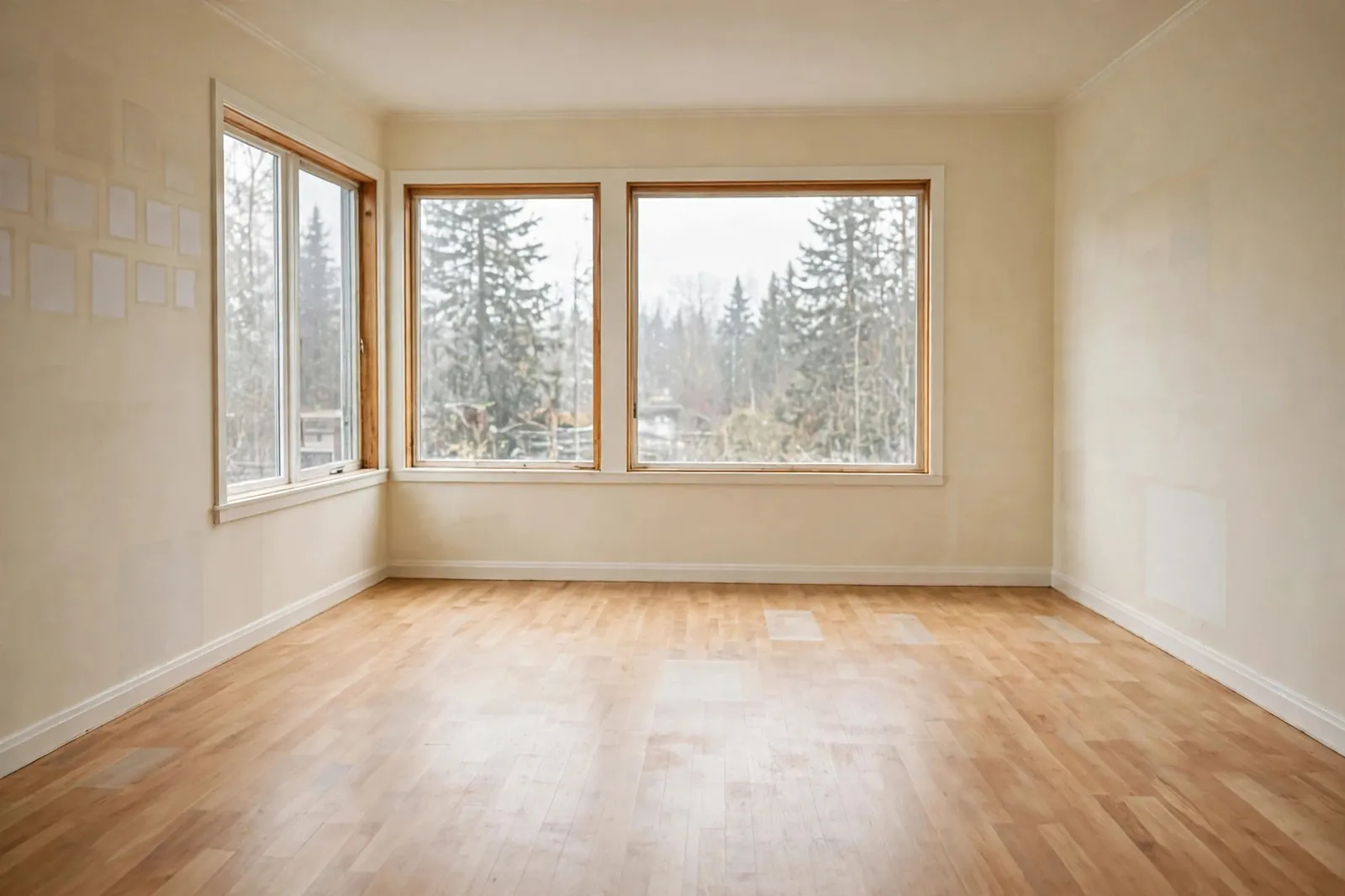
Completely empty.
Everything that was in it is written down: who kept it, where it went, and why. The stress was never really in the furniture. It was in the not knowing, the group chats and the dread of an argument. That part is gone, and the house is empty.
What it costs, who runs it, and what happens to your photographs.
A sample house is only worth showing you if the rest is stated just as plainly. Here it is, on the page, where it belongs.
The price, plainly
$149 CAD
One payment. No subscription. It covers one home for a full year, and everyone you invite joins free. If you want the record kept permanently afterward, a permanent archive is $50 CAD. For a house in the United States the price is $109 USD, and in Australia $155 AUD.
If you change your mind
A full refund within 14 days, as long as no reveal has been generated. After that, refunds are at Settled's discretion, and a genuine fault with the product is always refunded. The wording is in the refund policy, in plain English.
Payment is secured by Stripe. Card details never touch Settled's servers.
Who runs Settled
Settled is run by We Are Settled, a sole proprietorship registered in Ontario, Canada. Its postal address in Toronto and its phone number are published in its privacy policy, and you can write to hello@wearesettled.com.
There is no founder's photograph on this page, and no testimonials, because Settled does not trade on either. What it offers instead is a registered business you can look up, its policies written in plain English, and a refund in writing.
Your photographs, and your choices
Choices stay private until the reveal. Nobody sees anyone else's, not even the organizer. Settled does not sell your information, and its site carries no advertising trackers.
Software reads the room photographs to list what is in them. Every company that processes data for Settled is named in the privacy policy, including Anthropic for the photographs and Stripe for payment. A project is kept for a year; after that there is a 30 day grace period, and then it is deleted.
One honest limit, stated on Settled's own pages: the record is the family's agreement written down, not a legally binding document, and Settled gives no legal, tax or financial advice. Legal authority stays with whoever holds it.
When you are ready.
One home, one payment, and a family that never had to argue in a group chat. Begin when the moment comes, and take it one room at a time.
Begin with Settled$149 CAD, once. Full refund within 14 days if no reveal has been generated.